

wall mounted led makeup mirror
L'ouverture d'une vanne d'eau est un acte fondamental dans de nombreux systèmes hydrauliques et industriels. Qu'il s'agisse d'un réseau d'approvisionnement en eau, d'un système d'irrigation agricole ou de processus industriels, la gestion de l'eau est essentielle pour garantir une utilisation efficace et responsable de cette ressource précieuse. . Dans un contexte industriel, l'ouverture d'une vanne peut être liée à divers processus, notamment le refroidissement des machines ou la dilution de produits chimiques. Chaque situation exige une attention particulière afin de garantir que la vanne est ouverte au bon moment et dans les bonnes conditions. Une gestion inadéquate peut entraîner des pertes d'eau, des dégâts matériels ou même des accidents. open water valve De plus, la technologie moderne a largement amélioré le contrôle des vannes. Les vannes automatiques ou à distance, par exemple, permettent une gestion plus précise et efficace du flux d'eau. Cela représente un avantage considérable, en particulier dans des systèmes complexes où la surveillance manuelle peut être difficile. Grâce à des capteurs et des dispositifs de contrôle intelligents, il est désormais possible de régler l'ouverture d'une vanne en fonction de la demande en eau, minimisant ainsi le gaspillage. Un des aspects souvent négligés lors de l'ouverture d'une vanne est la nécessité de maintenir le système en bon état. Des inspections régulières doivent être effectuées pour s'assurer que les vannes fonctionnent correctement et qu'il n'y a pas de fuites. Les vannes usées ou endommagées peuvent causer des problèmes significatifs, allant de pertes d'eau conséquentes à des dégâts matériels coûteux. En conclusion, l'acte aussi simple que l'ouverture d'une vanne d'eau est au cœur de la gestion de l'eau dans nos sociétés modernes. Que ce soit dans un contexte agricole, industriel ou domestique, comprendre les implications de cette action est essentiel pour maximiser l'efficacité tout en minimisant l'impact environnemental. En intégrant des technologies de contrôle avancées et en assurant une maintenance régulière, nous pouvons garantir que nos ressources en eau sont utilisées de manière optimale et durable.
about
wall mounted led makeup mirror
Understanding Steel Ring Gauges Precision Tools in Measurement In today’s manufacturing and engineering sectors, precision is paramount. One tool that has become indispensable for ensuring accuracy in measurements is the steel ring gauge. As simple as they may appear, these gauges play a critical role in various industrial applications, particularly in the quality control processes of products that require precise dimensions. This article seeks to explore the function, types, and importance of steel ring gauges in modern manufacturing. What is a Steel Ring Gauge? A steel ring gauge is a type of go/no-go gauge used to measure the dimensions of machined parts, particularly the external diameters of cylindrical components. Typically made from high-quality steel, these gauges can withstand abrasion and deformation, maintaining their precise dimensions under multiple uses. They are crafted to high tolerances, ensuring that any manufactured part can be accurately assessed against the standard dimensions defined by the gauge. Functionality The primary function of a steel ring gauge is to ensure that a manufactured component meets specific size and tolerance requirements. The gauge is designed with two distinct parts the 'go' ring and the 'no-go' ring. The 'go' ring should fit the part perfectly if it meets the required dimensions, indicating that the part is within specifications. Conversely, if the 'no-go' ring fits onto the part, this signifies that the part exceeds the allowed dimensions and is hence unacceptable. Using steel ring gauges is straightforward. An operator will first check the component against the 'go' ring. If the component fits, they will then check against the 'no-go' ring. This binary assessment simplifies the quality control process, allowing for swift and accurate measurements while minimizing the risk of human error. Types of Steel Ring Gauges Steel ring gauges come in several types, tailored for different measurement requirements. The most common forms include 1. Plain Ring Gauges Used for measuring external diameters with straightforward go/no-go functionality. 2. Thread Ring Gauges Specifically designed for measuring the external threads on components, ensuring they meet the required specifications. 3. Tapered Ring Gauges Employed for situations where components possess conical shapes, providing the ability to measure angles as well as diameters. steel ring gauge 4. Combination Gauges These versatile tools can measure multiple aspects of a component, including both internal and external dimensions, providing a comprehensive assessment. Each type of gauge serves a unique purpose and is selected based on the specific requirements of the manufacturing process. Importance of Steel Ring Gauges The implications of using steel ring gauges in manufacturing extend far beyond mere measurements. They are vital for several reasons 1. Quality Assurance Steel ring gauges provide a reliable benchmark for quality control, helping manufacturers produce components that meet industry standards. This ensures the end product is functional, safe, and reliable. 2. Cost Efficiency By facilitating immediate detection of out-of-spec components, these gauges reduce waste and save time. Manufacturers avoid the costs associated with reworking or scrapping defective parts. 3. Consistency and Reliability Regular use of steel ring gauges contributes to the consistency of production. Components manufactured over time will adhere to the established dimensions, promoting uniformity in large production runs. 4. Compliance with Standards Many industries are subject to strict regulations and standards. Using calibrated steel ring gauges ensures compliance with these standards, protecting manufacturers from legal challenges and enhancing their market reputation. Conclusion In conclusion, steel ring gauges are a cornerstone of precision measurement in manufacturing. Their simple yet effective design allows for the accurate assessment of components, ensuring quality and compliance with stringent industry standards. As industries continue to evolve, the role of steel ring gauges will remain pivotal, underscoring the importance of precision in the quest for manufacturing excellence. By investing in high-quality measuring tools like steel ring gauges, manufacturers not only enhance their operational efficiency but also ensure the production of superior products.
-

High quality industrial productsagement

High quality industrial products
View Details -

Meet the diverse needs of customers

Meet the diverse needs of customers
View Details -

Strict quality control

Strict quality control
View Details -

Top raw materials

Top raw materials
View Details -

Trusted supplier

Trusted supplier
View Details
Our application

news and information
Válvula principal de agua en el hogar y su importancia para el suministro doméstico
La Importancia de la Válvula Principal de Agua en el Hogar La válvula principal de agua es un compon
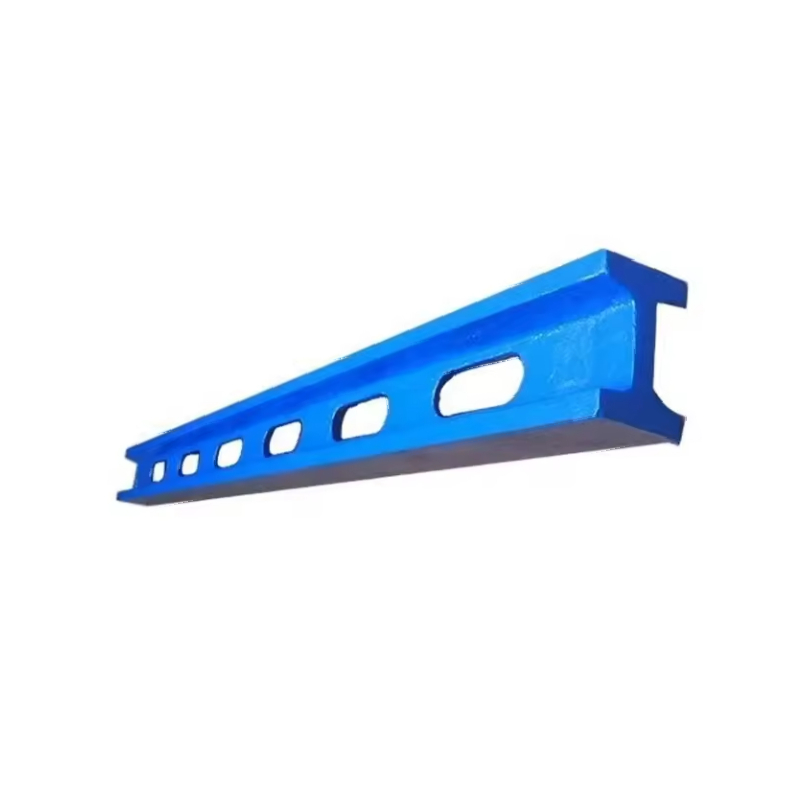
Using a Level Ruler for Accurate Measurements and Alignment in DIY Projects
The Importance of a Spirit Level Ruler in Construction and DIY Projects A spirit level ruler is an i

Y-Type Strainer Featuring a Convenient Drain Valve for Efficient Filtration Solutions
Understanding the Y-Type Strainer with Drain Valve Essential for Efficient Fluid Management In vario
 English